The 5 Best Virginia Tech NFL Players of All Time
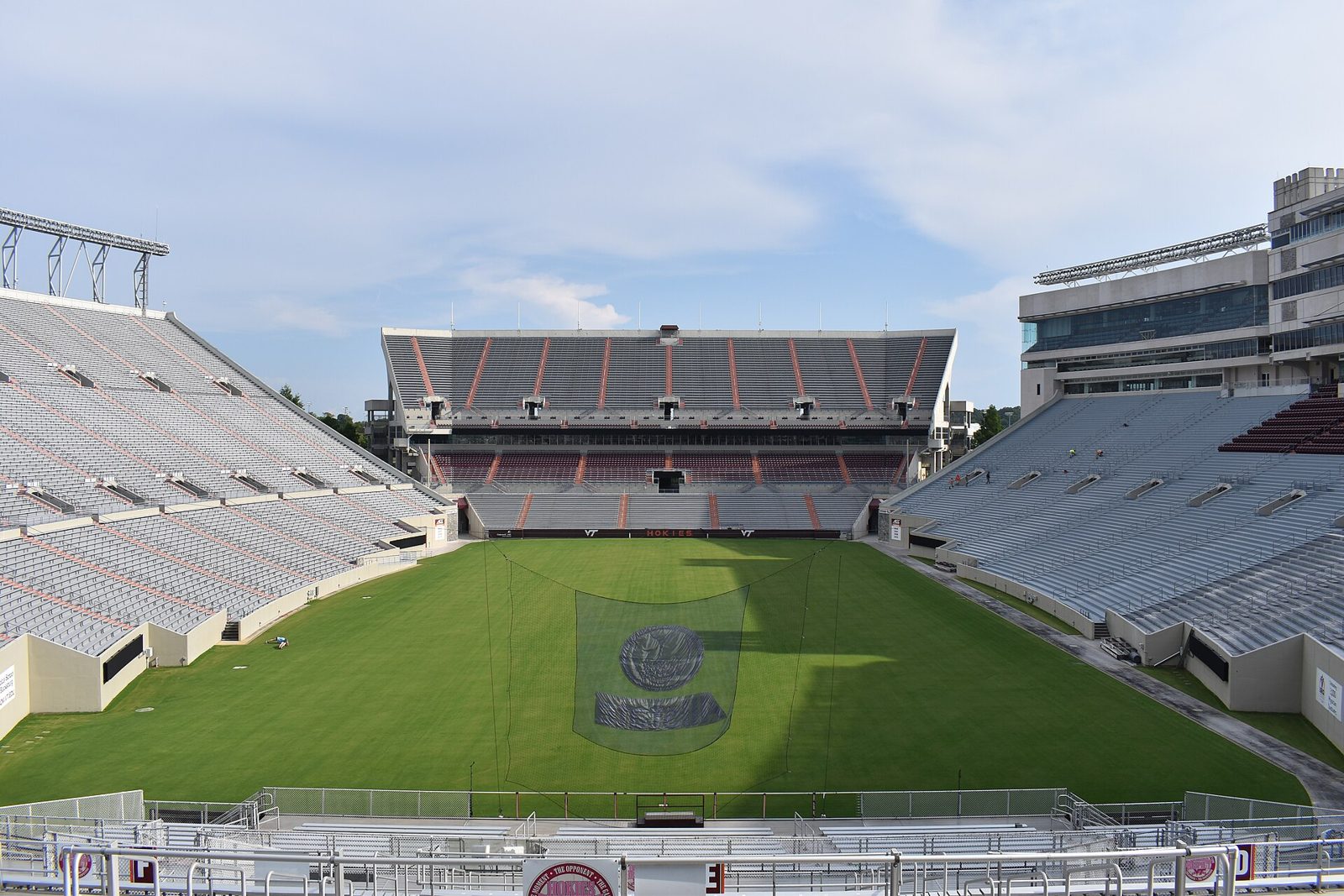
Virginia Tech became a national power under Frank Beamer thanks to relentless defense, special teams, and a few once in a generation athletes. Lane Stadium is one of the loudest places in college football, especially when Enter Sandman plays. This list ranks five Hokies by what they did in Blacksburg, not by what they did in the NFL.
1. Bruce Smith
Defensive End · 1981 to 1984
Bruce Smith left Virginia Tech as its career sack leader, recording 46 sacks and earning the nickname The Sack Man. His college career culminated in the 1984 Outland Trophy, giving the defensive end national recognition to accompany his production in Blacksburg. He became the top selection in the 1985 draft and later retired as the NFL's career sack leader.
Virginia Tech's contribution to Smith's legacy is clear without leaning on that professional distinction. The sack total establishes a substantial body of college work, while the Outland identifies the national standing of his peak season. Together, they support both longevity and top-end performance. His place in this group rests on a school record and a major college honor, not merely on the fame that followed.
2. Michael Vick
Quarterback · 1999 to 2000
Michael Vick's Virginia Tech breakthrough came as a redshirt freshman in 1999, when he led the Hokies through an undefeated regular season and into the national championship game against Florida State. He finished third in the Heisman voting, linking the team's success with major individual recognition. After two college seasons, he became the top selection in the 2001 draft.
Vick's ranking rests on the scale of his impact rather than a long college tenure. The title-game appearance gives his résumé a defining team achievement, while the Heisman finish confirms his individual standing during that run. For Virginia Tech, those accomplishments make the brief stay significant in its own right. His draft position is a secondary distinction, not the reason his college career belongs in this group.
3. Corey Moore
Defensive End · 1996 to 1999
Corey Moore was central to Virginia Tech's defense during the team's run to the national championship game. His 1999 season brought the Nagurski Trophy, Lombardi Award and unanimous All-America recognition. Although undersized for a defensive end, Moore earned honors that placed his college performance firmly in the national conversation, providing a defensive counterpart to the attention surrounding teammate Michael Vick.
Moore's case is anchored in a decorated peak with clear team significance. The awards establish his individual standing, while the championship-game run supplies the context in which he contributed. His inclusion also helps give Virginia Tech's story its proper balance: that team's achievement was not exclusively an offensive one. The strongest ranking argument centers on his defensive role and recognition rather than treating his size as the defining detail.
4. Kevin Jones
Running Back · 2001 to 2003
Kevin Jones arrived at Virginia Tech as a highly sought-after recruit and produced a standout 2003 season. He rushed for 1,647 yards and earned consensus All-America recognition, giving the Hokies a running back with both substantial production and national standing. His combination of size and speed was part of his college profile before he became a first-round draft selection in 2004.
Jones's place here should rest on the college results rather than the expectations that preceded them. His featured season supplies a concrete measure of rushing output, and the consensus honor shows that the performance earned recognition beyond Virginia Tech. This is primarily a peak-season case, not a claim built around career records. The draft transition supports the story, but his work for the Hokies carries the ranking argument.
5. DeAngelo Hall
Cornerback · 2001 to 2003
DeAngelo Hall contributed to Virginia Tech as a cornerback and returner, scoring touchdowns on both defense and special teams. Those crossover contributions fit the program's Beamer Ball identity and gave his college résumé a dimension beyond coverage alone. He earned first-team All-America recognition in 2003 and became the eighth overall selection in the 2004 draft.
Hall's ranking case depends on that breadth while keeping his primary position clear. He was a cornerback whose return work added another avenue for meaningful contributions, not a player who needs to be relabeled to explain his value. The All-America honor identifies his recognized peak, while his scoring across multiple phases connects his individual impact to Virginia Tech's identity. His college versatility provides the foundation; his draft status remains secondary.
Who Just Missed the Cut
Kam Chancellor, Tyrod Taylor, Eddie Royal, Brandon Flowers, Jimmy Williams, David Wilson, and Antonio Freeman all have arguments. Taylor won more games than any quarterback in school history, and Royal was one of the most explosive return men of his era.
Virginia Tech by the Numbers
Virginia Tech made 27 straight bowl appearances under Frank Beamer, won multiple ACC titles, and played for a national championship after the 1999 season. The Hokies have produced first round picks at quarterback, defensive end, cornerback, and running back, with defensive backs being one of their strongest pipelines.
Why Blacksburg Produces Pros
Virginia Tech built its brand on defense and special teams, and those skills translate directly to the NFL. Many Hokies earned their first roster spots in the league by excelling on kick coverage and blocking kicks, a habit drilled into them in college. The program also recruits heavily in the talent rich Tidewater region of Virginia.
Test Yourself on Virginia Tech Players
Reading about them is one thing. Naming them on sight is another. CollegeGuessr shows five NFL players a day and asks which college each came from. Answer fast for up to 200 points per player, then see how you stack up on the daily NFL trivia leaderboard.