The 5 Best Nebraska NFL Players of All Time
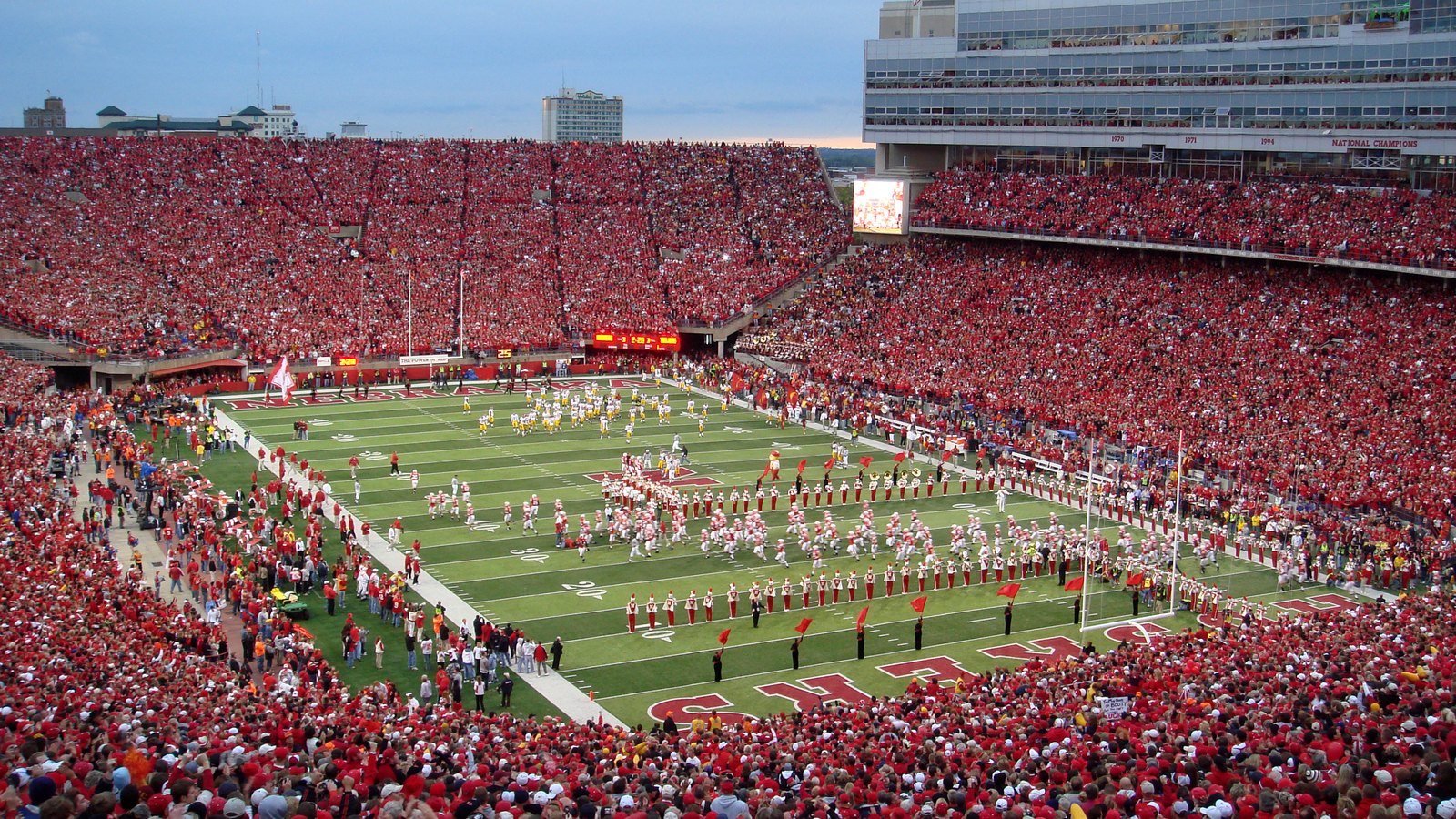
Nebraska won three national titles in the 1990s and built its reputation on offensive line play and option football, but the NFL pipeline out of Lincoln has been wider than that. These five Cornhuskers are ranked on their college careers, including two Heisman winners and one of the most dominant defensive tackle seasons ever recorded. Memorial Stadium's sellout streak is the backdrop for all of it.
1. Ndamukong Suh
Defensive Tackle · 2005 to 2009
Ndamukong Suh built his Nebraska legacy around a remarkable 2009 season at defensive tackle. He recorded 85 tackles, 24 tackles for loss and 12 sacks, then delivered 4.5 sacks and 12 tackles against Texas in the Big 12 Championship. He won the Outland, Lombardi, Nagurski and Bednarik awards and finished fourth in Heisman voting before Detroit selected him second overall in 2010.
Suh’s argument for the top spot is driven principally by the scale of that peak. The combination of tackles and backfield production demonstrates disruption from an interior position, and the Texas performance gives the season a clear signature game. Recognition across several major awards reinforces the breadth of his impact. This is a ranking case built on exceptional college achievement, not merely the professional expectations that followed.
2. Mike Rozier
Running Back · 1981 to 1983
Mike Rozier won the 1983 Heisman Trophy after rushing for 2,148 yards and 29 touchdowns while averaging 7.8 yards per carry. He was the centerpiece of a Nebraska offense that averaged 52 points a game and finished a two-point conversion short of a national championship. His college career produced more than 4,700 rushing yards, combining a celebrated final-season peak with substantial cumulative output.
Rozier’s ranking is supported by both workload and efficiency. His senior production was not simply the result of frequent carries; the average gain underscores how much Nebraska received from each opportunity. The career total ensures that the Heisman season does not stand in isolation. His individual scoring and central role in that prolific offense make a strong school-specific case without relying on what happened after college.
3. Johnny Rodgers
Wide Receiver and Returner · 1970 to 1972
Johnny Rodgers won the 1972 Heisman Trophy after building a Nebraska career that crossed several offensive and special-teams roles. A wide receiver and returner who also contributed as a runner, he scored 45 total touchdowns and averaged more than 15 yards per punt return. His 72-yard punt-return touchdown against Oklahoma in the 1971 Game of the Century remains a defining highlight of a career that included two national championship teams.
Rodgers’ place here depends on the breadth of his contributions, not just one celebrated return. His career return average supports sustained special-teams value, while his scoring across multiple roles shows Nebraska had more than a conventional receiving threat. The Heisman recognizes his individual peak, and the championship context ties that versatility to program success. Together, those elements make his college résumé distinctive within this group.
4. Will Shields
Offensive Guard · 1989 to 1992
Will Shields was a three-year starter at offensive guard for Nebraska and won the Outland Trophy in 1992. He helped a line that regularly cleared the way for 300-yard rushing games, with power in the running game and sound technique central to his contribution. Kansas City selected him in the third round in 1993, and his career eventually brought induction into both the College Football and Pro Football Halls of Fame.
Shields gives this ranking an important offensive-line presence. Nebraska’s rushing output provides a team-production measure for a position whose contributions are not captured by individual yardage totals. His extended starting role establishes longevity, while the Outland identifies a nationally recognized peak. The college foundation matters here: he helped enable the running game rather than merely benefiting from the reputation of Nebraska’s offense.
5. Grant Wistrom
Defensive End · 1994 to 1997
Grant Wistrom finished his Nebraska career with 26.5 sacks and 58 tackles for loss, earning All-America honors twice and the Lombardi Award in 1997. The defensive end played on three national championship teams, giving his individual achievements a sustained championship setting. He also received academic All-America recognition before St. Louis selected him sixth overall in the 1998 draft.
Wistrom’s case balances career production with a decorated senior peak. His tackles for loss show that his backfield contribution extended beyond sacks, an important distinction when evaluating a defensive end’s total impact. Repeated All-America recognition supports consistency rather than a reputation built around a single season. Nebraska’s titles provide context, but the individual production and honors are what establish his own substantial claim to a place in this ranking.
Tough Calls
Roger Craig, Dave Rimington, Rich Glover, Neil Smith, Ahman Green, and Zach Wiegert all belong in a longer list. Rimington won the Outland Trophy twice and has the nation's best center award named after him, which is a strong argument on its own. This ranking weighted national award sweeps and championship context.
Nebraska by the Numbers
Nebraska has produced three Heisman winners, five national championships, and a long list of Outland Trophy winners, more than almost any other program. The most reliable pipeline has been the offensive line, where the walk on program and strength culture produced NFL starters for decades. Defensive line has been the second strongest, from Rich Glover through Suh.
The Lincoln Development Model
Nebraska built one of the first serious college strength and conditioning programs, and the physical development of players who arrived as unheralded recruits became the program's calling card. Walk ons routinely turned into All Big Eight starters and then NFL players. That culture is why the linemen from Lincoln tended to be ready for pro workloads immediately.
Test Yourself on Nebraska Players
Reading about them is one thing. Naming them on sight is another. CollegeGuessr shows five NFL players a day and asks which college each came from. Answer fast for up to 200 points per player, then see how you stack up on the daily NFL trivia leaderboard.